Working
to elect
Democrats
We create compelling digital campaigns that persuade and mobilize voters in battleground states to elect Democrats up and down the ballot.
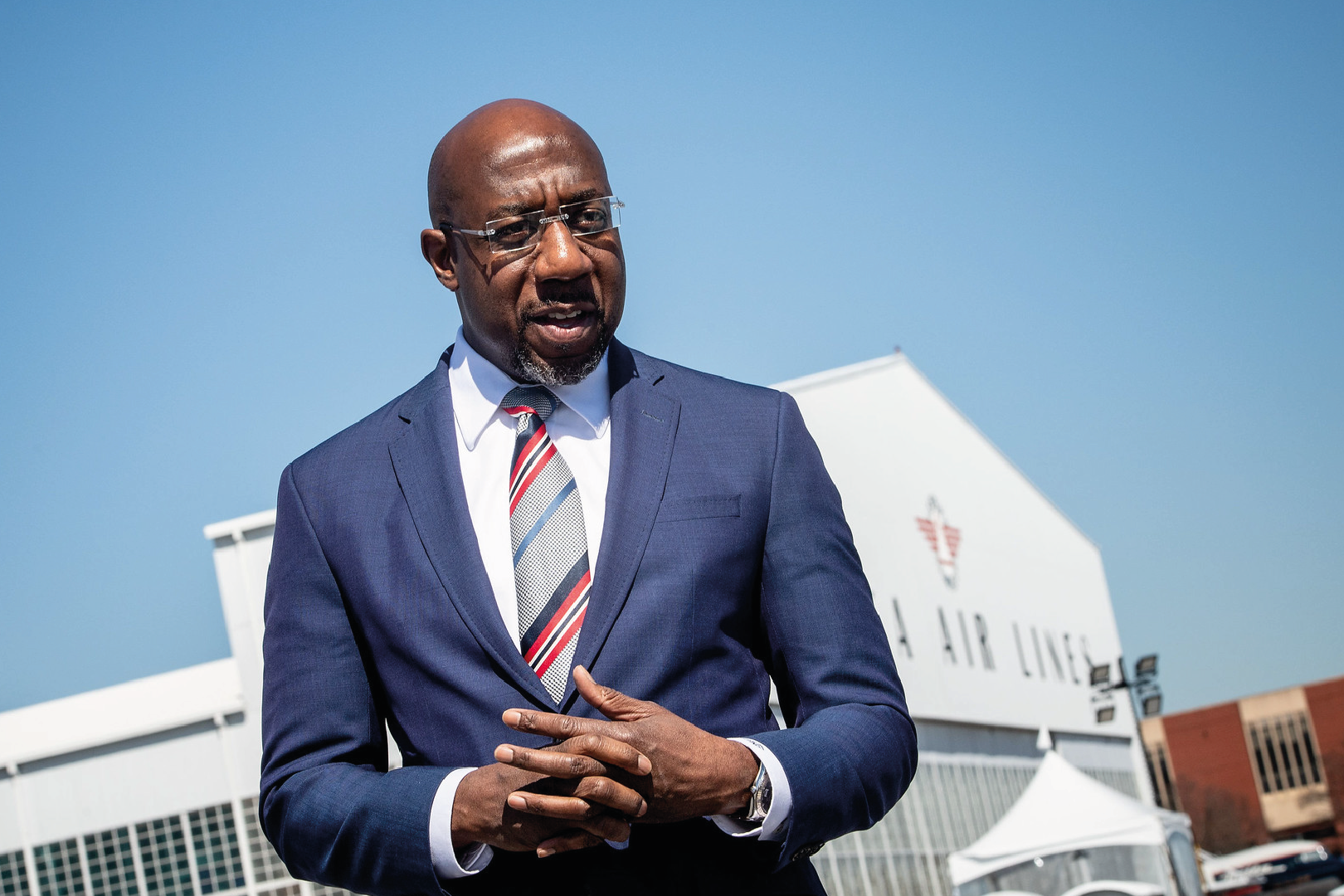
We’ve fought for progress at every level of the ballot.
We’ve helped progressive candidates win elections from the White House all the way down to the local level. We’ve pioneered new methods of targeting key audiences, then delivered engaging, best-in-class creative content to persuade and mobilize the voters we need to win.
We win elections by being smart about where we use our resources.
Persuading and mobilizing voters
We use our expertise in political digital advertising, creative development, and research and data to reach voters online.
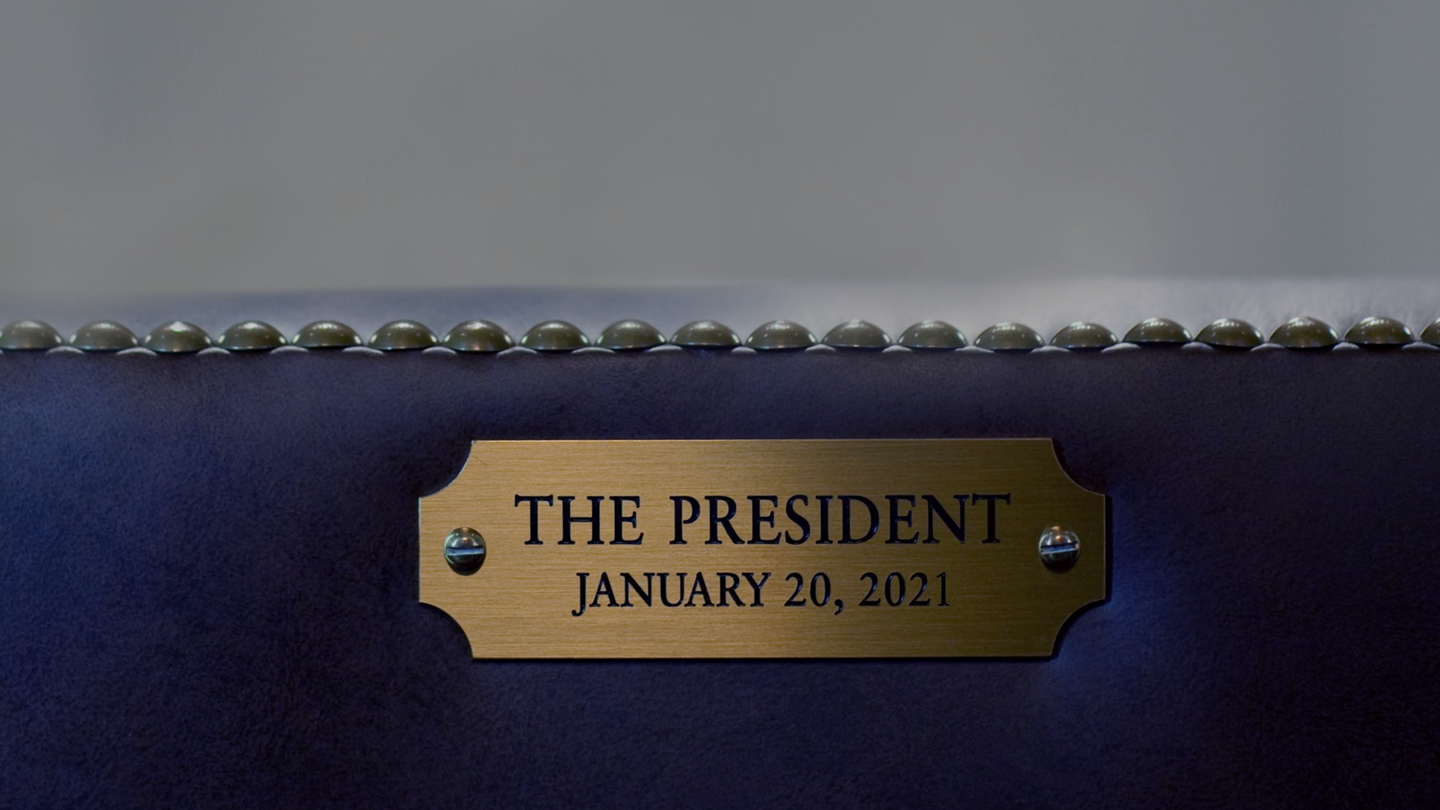
Uniting America
For the 2020 election, we led an unprecedented effort to boost Joe Biden’s campaign to victory through a combination of big spending, creative thinking, and smart strategy.
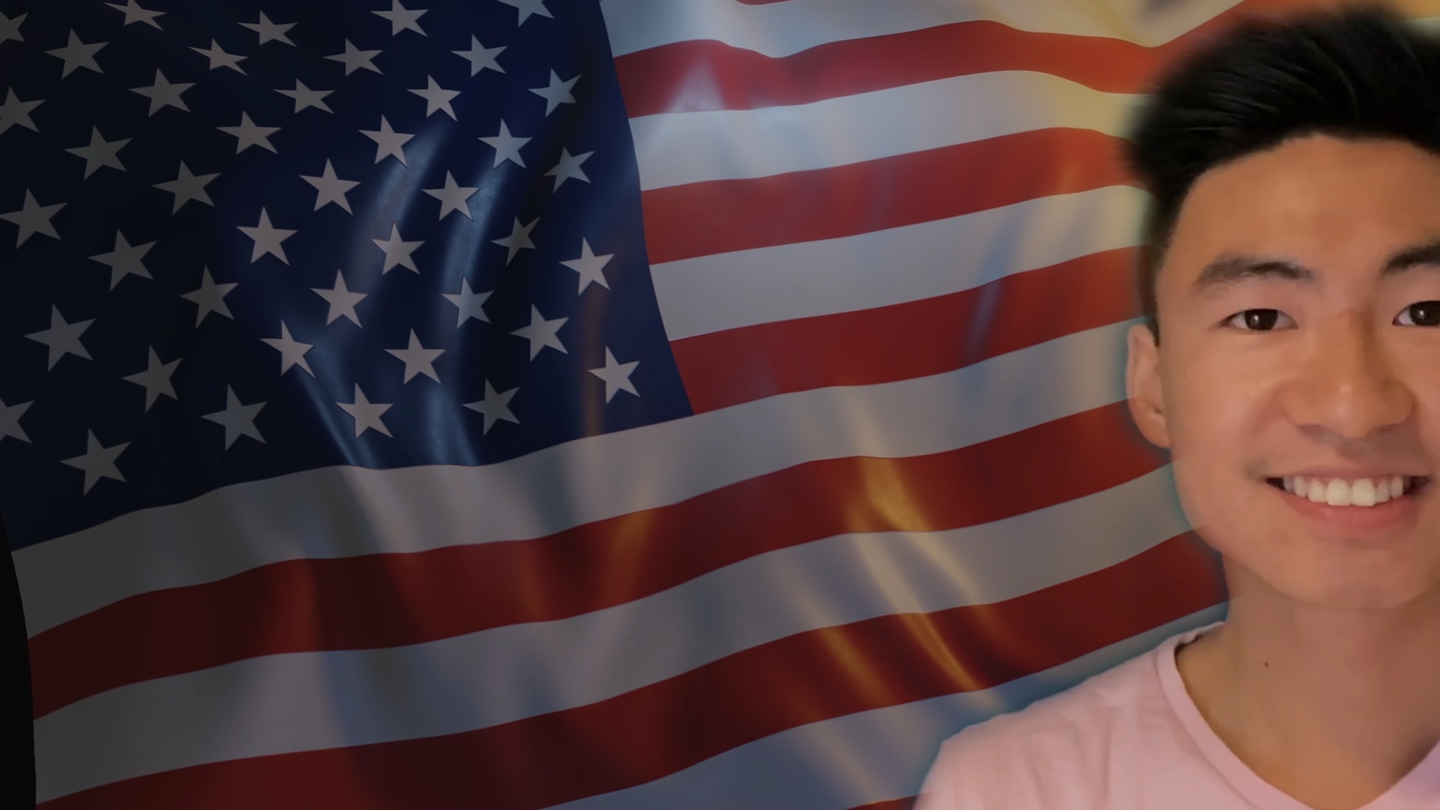
10/10 Would Recommend
One of the ways we mobilize voters and promote the habit of voting is to encourage people to check the status of their voter registration.

Exponential Threat
We called out the harm Donald Trump did to working families as president and made it clear just how dangerous a second term would be.
In 2020, our path to victory ran through the same key battleground states that we need to win once again in 2024.
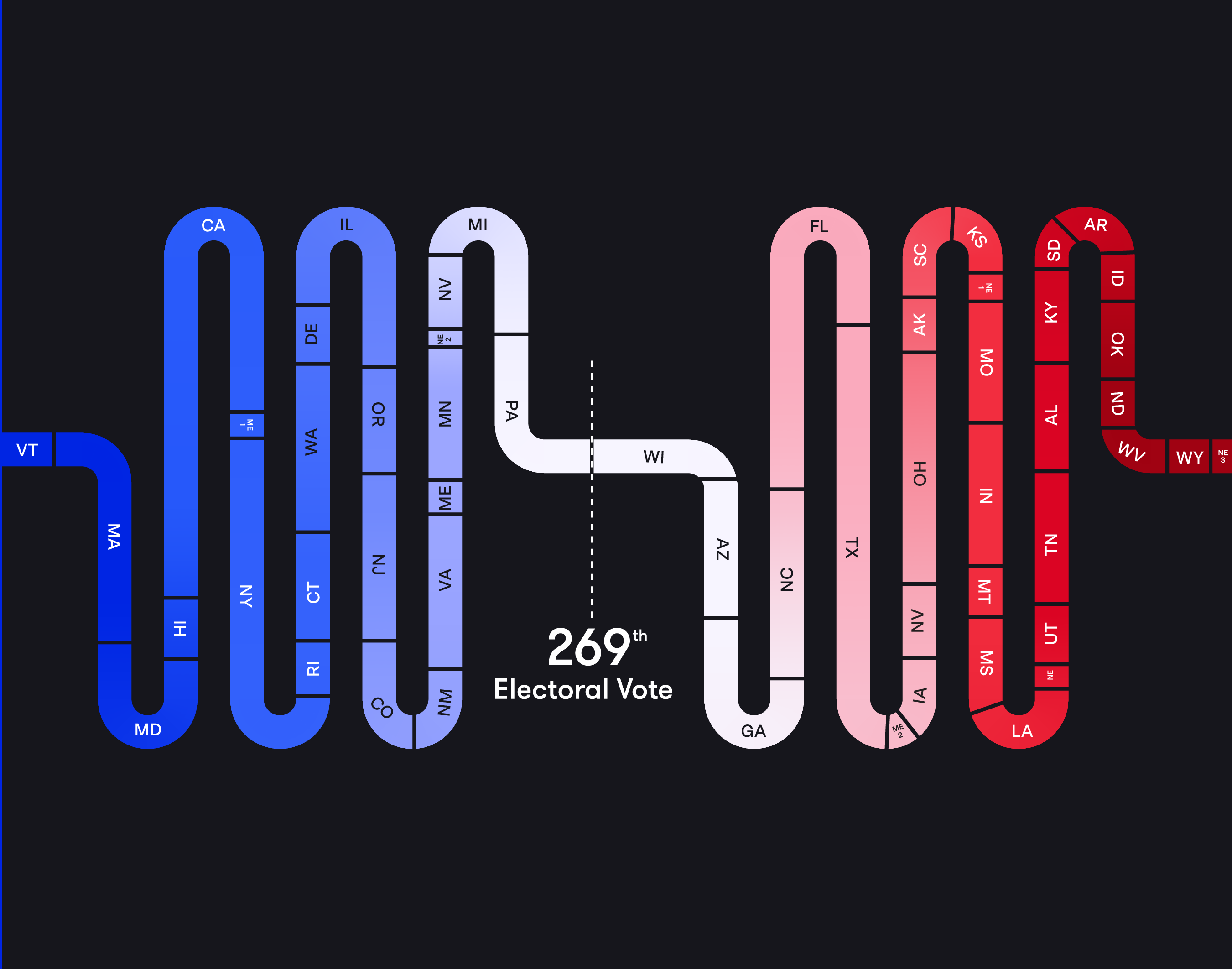
Engaging Key Constituencies
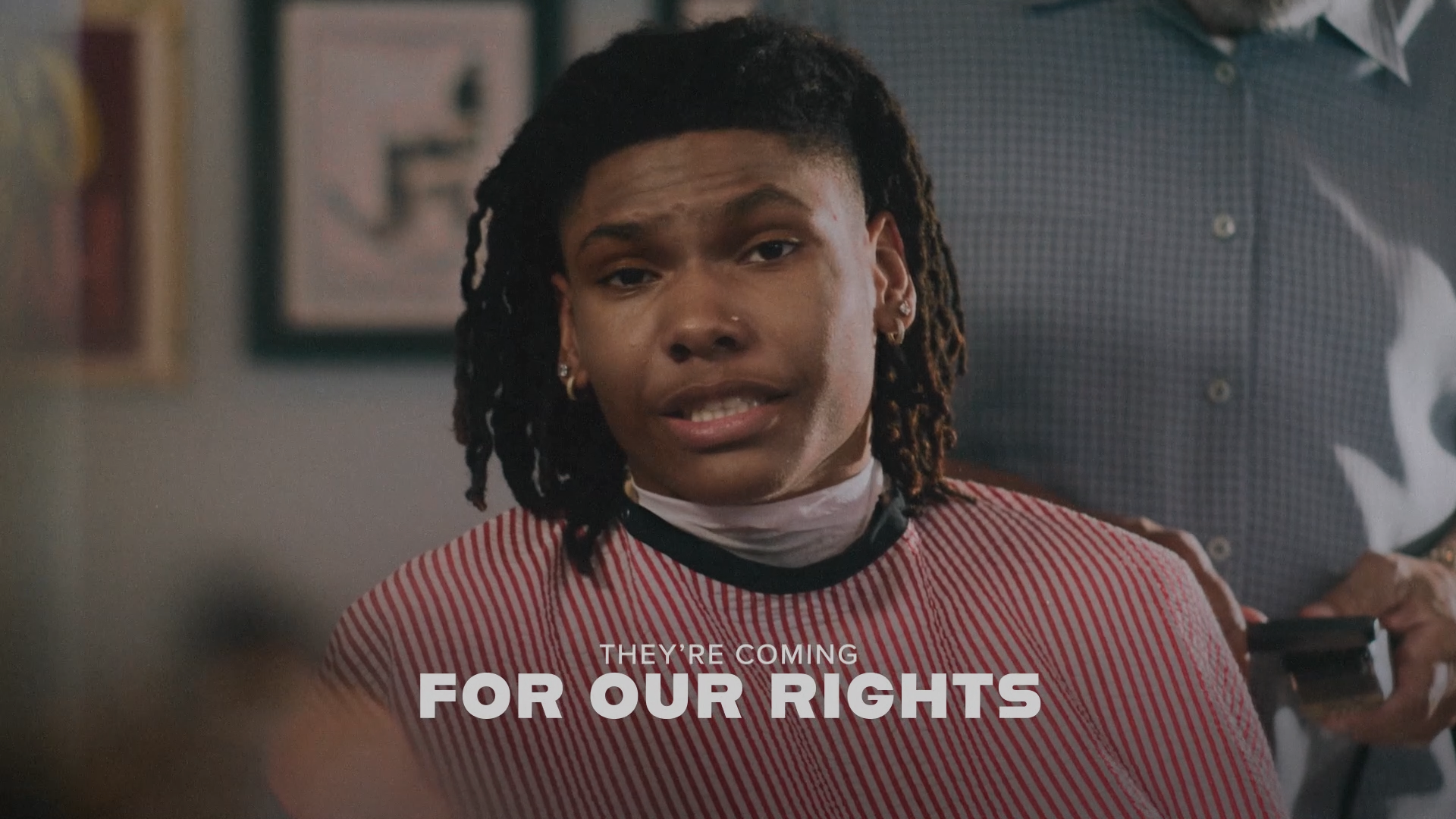
Breaking Through
We mobilized voters in support of Senator Raphael Warnock’s reelection with an honest and empowering message about what it means to vote.

Moving Ahead
To support Senator Mark Kelly’s reelection in 2022, we ran ads that highlighted his commitment to helping Arizona families move forward.